
The Ultimate Guide to Non-Surgical Body Sculpting: Understanding How Modern Treatments Work
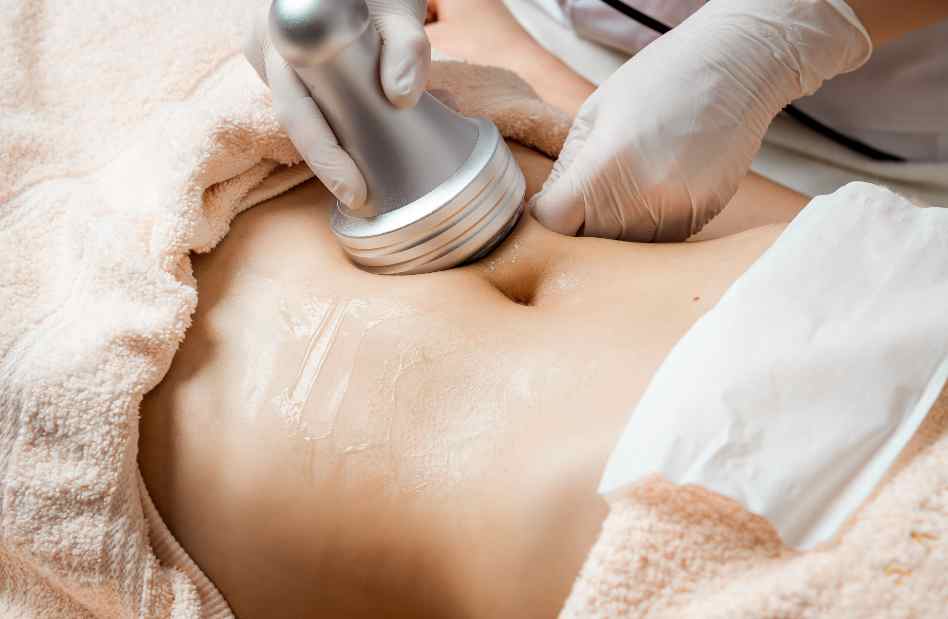
Maintaining a consistent exercise routine and following a balanced diet are fundamental steps toward living a healthy lifestyle. However, many individuals discover that despite reaching their general target weight, specific stubborn areas of local tissue refuse to tone up. Subcutaneous fat deposits around the midsection, flanks, outer thighs, and upper arms often resist standard cardiovascular workouts and strict nutrition plans. When traditional fitness routines hit a wall, non-invasive body contouring offers a practical way to refine physical shape without undergoing invasive surgery.
Understanding the mechanisms behind modern aesthetic technologies helps people set realistic expectations for their personal goals. Specialized providers like Purifi Nashville focus on utilizing combination systems that integrate targeted energy with tissue-tightening protocols. By evaluating how these modalities operate beneath the skin layer, prospective patients can make confident, educated decisions about their body modification options without getting lost in complex medical jargon.
Why Stubborn Areas Resist Diet and Exercise
To understand how body sculpting functions, it helps to understand how the human body stores and loses energy. When you lose weight through caloric restriction or physical activity, your body does not destroy fat cells. Instead, existing fat cells simply shrink in size as stored triglycerides are burned for fuel.
Genetics, hormonal balance, age, and individual anatomy play massive roles in where your body prioritizes storing energy. Certain areas contain a higher density of persistent receptors that hold onto fat storage much longer than other body regions. This biological reality explains why someone can achieve excellent cardiovascular fitness yet still deal with persistent belly bulges or soft tissue along the lower waistline. Body sculpting works by physically targeting these stubborn zones directly rather than relying on overall systemic weight loss.
Key Modalities in Non-Invasive Body Sculpting
Modern non-surgical treatments utilize different physical forces to target subcutaneous tissue while leaving the top layer of skin unharmed. The most common methods include:
- Thermal Radiofrequency (RF): Delivers controlled heat deep into tissue layers. The heat disrupts cell structures while simultaneously triggering collagen production to firm up loose skin.
- Cryolipolysis (Controlled Cooling): Freezes target cells at precise sub-zero temperatures. Because fat cells freeze at higher temperatures than surrounding skin tissue, the fat cells crystallize and die off while nearby skin stays safe.
- Ultrasound Cavitation: Uses low-frequency sound waves to create microscopic pressure bubbles within fat tissue, causing cell walls to break down naturally.
- Electromagnetic Muscle Stimulation: Triggers intense, involuntary muscle contractions that tone underlying tissue structure while burning surrounding energy stores.
Who Makes a Good Candidate for Body Sculpting?
Non-invasive sculpting is designed as a refining tool rather than a major weight-loss solution. Ideal candidates generally share specific physical profiles:
1. Near Ideal Body Weight
Candidates should ideally be within 15 to 30 pounds of their desired target weight. The treatment targets localized spots rather than overall volume reduction.
2. Good Skin Elasticity
While some radiofrequency treatments boost collagen synthesis, candidates with reasonable baseline skin elasticity experience tighter, more visually appealing post-treatment contours.
3. Stable Health Habits
Because remaining fat cells can expand if excess calories are consumed, candidates must commit to maintaining balanced nutrition and regular exercise following their sessions.
What to Expect During and After a Session
One major advantage of non-surgical body sculpting is the absence of surgical risk, general anesthesia, and prolonged recovery periods.
During the Procedure
A typical session lasts anywhere from 30 to 60 minutes per target zone. Depending on the equipment used, you may feel sensations of warming, intense cooling, mild suction, or rhythmic muscle pulses. Most people describe the experience as comfortable enough to read, listen to music, or relax quietly.
The Recovery Phase
There is typically zero downtime required after a treatment session. Patients can return to work, exercise, and normal daily activities immediately. Minor side effects are temporary and localized, often including:
- Mild surface redness or warmth
- Slight localized swelling
- Temporary tenderness or minor bruising
- A tingling or numb sensation in the treated area
Timeline for Realizing Results
Because non-invasive technologies rely on your body’s natural elimination systems, results do not appear overnight. Once target cells are disrupted or dissolved, your lymphatic system gradually collects, processes, and flushes away the cellular debris.
- Weeks 2 to 4: Initial changes begin to develop as initial inflammation subsides and cellular breakdown starts.
- Weeks 6 to 8: Noticeable contour improvements become visible as local tissue shrinks and tightens.
- Months 3 to 4: Peak results show up after your body fully processes cleared tissue and builds new collagen structures.
Most non-invasive protocols involve a series of 3 to 6 sessions spaced several weeks apart to achieve optimum sculpting results.
Long-Term Maintenance and Healthy Habits
Once fat cells are permanently removed through non-invasive sculpting, those specific cells cannot grow back. However, remaining fat cells in surrounding areas can still expand if a significant calorie surplus occurs.
To protect your aesthetic investment long into the future, focus on daily foundational health:
- Hydrate Constantly: Drinking plenty of water supports your lymphatic system as it clears out cellular waste products after treatments.
- Prioritize Protein and Whole Foods: Consuming adequate lean protein aids collagen synthesis and maintains firm muscle structure.
- Stay Active Daily: Combining regular resistance training with aerobic movement keeps metabolic functions active and prevents fresh storage accumulation.