
Peptide Injections and Their Role in Laboratory Studies
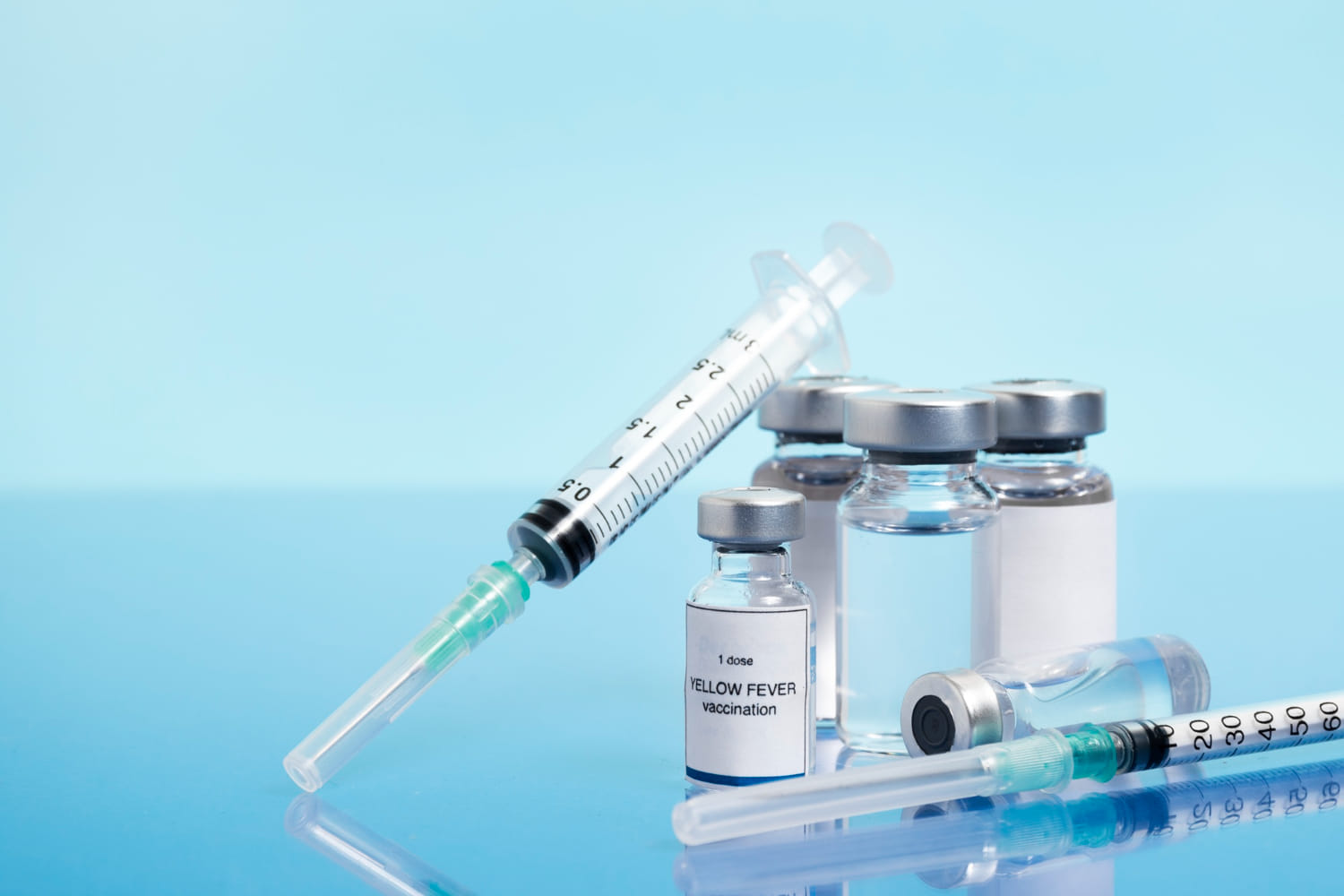
Peptides are increasingly central to modern biochemical research. Their ability to communicate with cellular systems makes them valuable tools for studying regeneration, metabolism, and repair mechanisms.
Among available delivery methods, peptide injections remain the most direct and precise. They provide researchers with controlled absorption and measurable concentration levels — critical factors when accuracy determines data quality.
This article outlines how injectable peptides are used in research, why handling and purity are vital, and the standards that define reliable laboratory work.
Why Injection Delivery Matters
When taken orally, most peptides are broken down by enzymes before they reach the bloodstream. Injections bypass the digestive system, allowing compounds to remain stable and reach their intended sites of action.
For researchers, this method provides two advantages:
- Predictable bioavailability. Injected peptides achieve consistent concentration levels, which supports reproducible results.
- Targeted application. Injections allow site-specific delivery in controlled experimental conditions.
Because even small deviations in dosage or absorption can affect results, delivery precision is fundamental to peptide research.
Many laboratories support this level of precision by sourcing peptides from providers that maintain strict documentation and purity standards, such as DN Research.
Types of Peptide Injections in Research
Different injection routes are used depending on study objectives:
- Subcutaneous (SC): Injected under the skin, often near fatty tissue. It allows gradual absorption and is commonly used in metabolic and recovery studies.
- Intramuscular (IM): Delivered into muscle tissue for faster uptake and measurable plasma concentration peaks.
- Intravenous (IV): Used in controlled environments when immediate systemic exposure is required.
Each route offers unique pharmacokinetic profiles. Selection depends on the peptide’s structure, stability, and research design.
Handling and Storage Integrity
Peptides are fragile molecules. Exposure to heat, light, or contamination can degrade their structure and alter results. For this reason, handling practices are as important as the experiment itself.
Key storage and handling principles include:
- Temperature control: Most lyophilised peptides should be stored between 2–8 °C and reconstituted just before use.
- Aseptic technique: Always employ sterile vials and syringes to avoid microbial contamination.
- Reconstitution guidelines: Use bacteriostatic or sterile water as recommended; avoid excessive agitation that may break peptide bonds.
- Documentation: Record batch numbers, storage conditions, and preparation times for traceability.
Following these standards ensures reproducibility and protects research validity.
Purity and Testing Requirements
Peptide efficacy in research depends on structural integrity. Even minimal impurities can change binding behaviour or stability. High-purity standards (99% or higher) are the benchmark for reliable work.
Quality assurance generally involves:
- Third-party testing: Independent laboratories verify identity and purity through HPLC and mass-spectrometry analysis.
- Certificates of Analysis (COA): Each batch includes data confirming amino-acid sequence and purity percentage.
- Proper labelling: Information such as batch ID, synthesis method, and storage recommendations should be visible.
For any study involving peptide injections, verifying these quality documents before use is essential. It reduces variability and ensures results reflect the peptide’s intended biological profile.
Safety and Regulatory Context
Regulations around peptide use vary by region. In many jurisdictions, peptides used in laboratories are classified as for research use only and are not authorised for human or veterinary application.
Responsible research means:
- Confirming compliance with local import and usage regulations.
- Ensuring that all handling occurs in certified laboratory settings.
- Recognising that certain compounds may appear on sporting or pharmacological restricted lists.
Peptide research contributes valuable insight into physiology and biochemistry — but it must remain within controlled, ethical boundaries.
Designing Reliable Experiments
Accurate results depend on more than just compound purity. Study design also matters.
- Standardise variables: Use consistent injection times, sites, and volumes.
- Monitor environmental factors: Temperature and pH affect peptide stability.
- Record adverse changes: Any unexpected reactions should be logged and reviewed before repeating trials.
Even small details like the gauge of a needle or the solvent type can influence reproducibility. Precision at every step supports credible data.
Comparing Injection to Other Delivery Forms
While peptide injections offer the highest accuracy, researchers also evaluate other methods such as transdermal patches, nasal sprays, and oral capsules.
These forms are easier to administer but often deliver lower bioavailability. For mechanistic or pharmacokinetic studies, injections remain the reference standard.
Understanding the strengths and limits of each route helps scientists choose the right approach for their objectives.
Final Thoughts
Peptides are redefining how researchers study biological systems. When delivered via peptide injections, they offer unmatched precision and bioavailability, but only when handled with care and sourced to verified purity standards.
From correct storage to responsible regulation, each step protects the integrity of the work. For laboratories, institutions, and qualified researchers, understanding these fundamentals ensures that peptide research advances safely, transparently, and credibly.
Explore more about Peptide Injections at DN Research for research-grade peptides.